Macrophage and Lentivirinae Infections
Overview Our Service Therapeutic Strategies Applications Advantages Related Products Scientific Resources Q & A
Macrophages are central players in host defense, tissue homeostasis, and chronic inflammation. In the context of Lentivirinae infections, however, these versatile innate immune cells are also highly relevant viral targets, immune sentinels, inflammatory effectors, and in some settings long-lived cellular reservoirs. Lentiviruses are distinguished within the Retroviridae by their persistent infection pattern, characteristic virion morphology, and capacity to infect non-dividing cells. Across the lentiviral group—including HIV-1, HIV-2, simian immunodeficiency viruses (SIV), feline immunodeficiency virus (FIV), equine infectious anemia virus (EIAV), and small ruminant lentiviruses such as visna-maedi virus (VMV) and caprine arthritis-encephalitis virus (CAEV)—macrophage lineage cells repeatedly emerge as critical determinants of viral tropism, dissemination, persistence, tissue injury, and therapeutic response.
Creative Biolabs provides end-to-end macrophage services to support mechanistic studies, candidate screening, and translational development. Our integrated service strategy is designed for academic groups, biotech innovators, and pharmaceutical teams seeking actionable data in HIV and non-primate lentivirus research.
Overview of Macrophages in Lentivirinae Infections
Macrophages are uniquely positioned at the interface between infection and tissue pathology. They are professional phagocytes, antigen-presenting cells, cytokine producers, and regulators of immune tone. Unlike many rapidly dividing target cells, macrophages can be long-lived, tissue-adapted, and capable of surviving infection-associated stress. These characteristics make them especially important in lentiviral biology. Lentiviruses have long been noted for their ability to infect terminally differentiated, non-dividing cells, particularly macrophages, and this property contributes to their broad pathogenic reach and slow, persistent disease course.
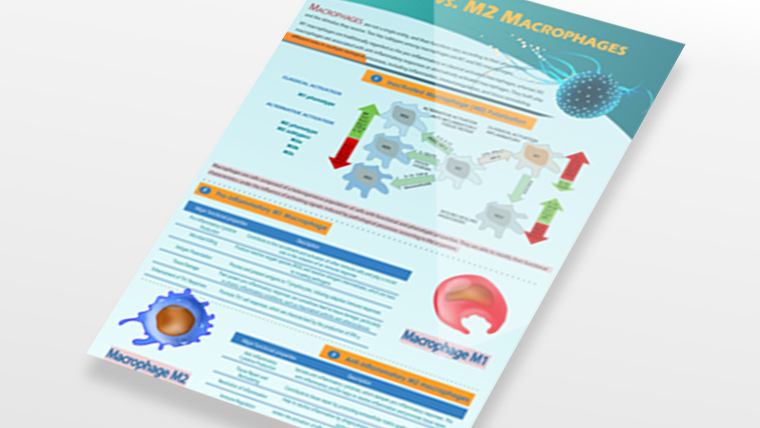
 Fig. 1 Macrophage activation state during HIV-1 infection.1,2
In HIV-1 infection, macrophages and related myeloid populations are linked to viral dissemination, chronic inflammation, neuroinvasion, tissue injury, and reservoir persistence under antiretroviral therapy. Beyond HIV, macrophage lineage cells are also important for other lentiviruses. Small ruminant lentiviruses infect cells of the monocyte/macrophage lineage and establish lifelong infection in sheep and goats. VMV infection is classically associated with monocyte/macrophage tropism, with viral expression increasing as monocytes mature into macrophages. EIAV is widely described as a macrophage-tropic lentivirus of equids, and FIV remains a valuable comparative model for selected aspects of lentiviral pathogenesis and intervention development.
They mount interferon-stimulated responses, shape chemokine gradients, and can either restrict or facilitate infection depending on activation state. This dual role makes them highly attractive for translational study. One emerging theme is that macrophage heterogeneity—by tissue origin, ontogeny, metabolic state, and inflammatory polarization—strongly influences lentiviral replication competence and persistence. Thus, biologically relevant macrophage models are essential for interpreting antiviral efficacy and reservoir biology.
Our Lentivirinae-Focused Macrophage Service Portfolio
Our service portfolio is built to support the entire discovery workflow, from early mechanism exploration to translational screening and biomarker support. Using macrophage-centric experimental systems aligned with the broader macrophage development capabilities already presented across the Creative Biolabs macrophage platform, we provide customizable solutions for infection modeling, phenotyping, functional profiling, and therapeutic evaluation.
We empower clients to:
-
Characterize macrophage susceptibility to lentiviral infection
-
Compare virus-host interactions across macrophage sources and activation states
-
Define inflammatory and antiviral signatures following infection
-
Quantify macrophage-associated viral persistence and reservoir-like phenotypes
Macrophage Infection Model Development
We establish customized macrophage infection systems for HIV-1 and other lentivirus-relevant research questions. Depending on project goals, model inputs may include:
-
Human primary monocytes differentiated into macrophages under M-CSF, GM-CSF, or custom cytokine conditions
-
Donor-diverse fresh or cryopreserved monocyte-derived macrophages
-
iPSC-derived macrophages for reproducibility and genetic tractability
-
Tissue-oriented macrophage differentiation workflows to better model CNS, lung, gut, or inflammatory compartments
-
Comparative macrophage systems for animal lentiviral research applications
These systems can be optimized for acute infection, chronic exposure, low-MOI persistence studies, or macrophage maturation-linked viral expression analyses.
Macrophage activation state has profound effects on viral permissiveness, cytokine production, tissue injury, and response to therapy. Creative Biolabs therefore integrates infection studies with our established macrophage polarization and phenotype identification capabilities. Services include:
-
Baseline and post-infection M1/M2-oriented phenotyping
-
Custom polarization under inflammatory, tolerogenic, or tissue-mimetic conditions
-
Surface marker analysis, including activation and scavenger programs
-
Cytokine and chemokine multiplex profiling
-
Metabolic reprogramming assessment
-
Infection-driven macrophage re-education studies
Functional Characterization of Infected Macrophages
Infection can alter much more than viral burden. It can remodel the very functions that define macrophage biology. We therefore provide a panel of functional assays to profile infected or exposed macrophages, including:
These outputs help reveal whether a candidate therapy only reduces viral load or also corrects dysfunctional innate cell behavior.
Macrophage Crosstalk Assays
Lentiviral pathogenesis is rarely a single-cell phenomenon. Macrophages interact with T cells, dendritic cells, fibroblasts, endothelial cells, epithelial cells, and tissue stromal populations. To capture this complexity, we provide co-culture and interaction assays such as:
These platforms are useful for modeling inflammatory amplification, tissue barrier perturbation, cell-to-cell transfer, and reservoir-supportive microenvironments.
Therapeutic and Translational Strategies Centered on Macrophages
Given the established relevance of macrophages in lentiviral persistence and immunopathology, therapeutic development increasingly benefits from macrophage-aware strategies.
|
Therapeutic Strategies
|
Description
|
|
Inhibiting Viral Infection in Macrophages
|
A candidate may show excellent activity in transformed cell lines yet perform very differently in primary macrophages, where entry, trafficking, metabolism, and innate restriction are distinct. Macrophage-based antiviral testing therefore helps identify liabilities earlier and improves translational confidence.
|
|
Limiting Reservoir Persistence
|
Because myeloid reservoirs are increasingly implicated in persistent HIV-1 infection under ART, reservoir-focused programs should not rely exclusively on lymphoid readouts. Macrophage persistence models can help identify compounds or combinations that reduce residual viral burden in harder-to-eliminate compartments.
|
|
Reprogramming Pathogenic Innate Responses
|
Not every successful therapy must eliminate infected macrophages outright. In some cases, reducing inflammatory output, correcting dysfunctional polarization, or restoring antiviral competence may yield meaningful benefit. This is particularly relevant in tissues where macrophage-mediated inflammation contributes significantly to pathology.
|
|
Improving Delivery to Relevant Myeloid Compartments
|
Macrophages are also important from a drug delivery perspective. Their uptake capacity and tissue distribution make them both therapeutic targets and potential delivery gateways. Creative Biolabs’ broader macrophage platform already includes macrophage-targeted delivery and lentivirus-based macrophage engineering/reprogramming concepts, which can conceptually align with translational projects in immunovirology.
|
Application Scenarios of Our Services
Our services can support a broad spectrum of research and development scenarios.
-
For basic research
We help investigators dissect how macrophage differentiation state, polarization, innate sensing, or tissue context influences viral susceptibility and persistence. These studies are especially useful for clarifying mechanism and refining hypotheses in academic and translational programs.
-
For antiviral discovery
We provide macrophage-based efficacy and profiling workflows that evaluate whether compounds remain active in biologically relevant innate immune cells. This is particularly important when developers want to avoid overreliance on simplified cell-line systems.
-
For reservoir-oriented programs
We support studies focused on long-lived infected macrophage populations, low-level viral persistence, and multiparameter profiling of reservoir-associated cellular states. These capabilities are relevant to eradication, remission, and rebound-related research strategies.
-
For immune modulation programs
We help assess whether candidate agents reduce infection-associated inflammatory dysfunction, normalize cytokine production, or reprogram macrophage behavior toward a more protective phenotype.
-
For platform and tool developers
Our services can also be used to validate delivery systems, gene regulation strategies, engineered constructs, and advanced immunological assays in macrophage-centered lentiviral models.
Why Choose Creative Biolabs
Creative Biolabs has built a broad macrophage-centered technology base spanning macrophage isolation and culture, polarization assays, phenotype identification, characterization services, co-culture systems, tissue-specific macrophage analysis, and lentivirus-based macrophage reprogramming-related offerings. This breadth makes it possible to build lentivirinae infection studies on top of an already coherent macrophage platform rather than assembling disconnected assays one by one.
With our integrated workflow, clients can benefit from:
-
One-stop study design for macrophage-focused lentiviral projects
-
Flexible primary-cell and customized model development
-
Virology and immunology readouts in a single study package
-
Mechanism-driven assay selection rather than generic testing
-
Scalable support from exploratory studies to translational packages
-
Scientifically grounded project customization around target, virus, tissue, and therapeutic modality
Related Products
Below are example product categories that can be paired with this service page or internally linked from it:
|
Cat.No
|
Product Name
|
Product Type
|
|
MTS-1022-JF1
|
B129 Mouse Bone Marrow Monocytes, 1 x 10^7 cells
|
Mouse Monocytes
|
|
MTS-0922-JF99
|
Human M0 Macrophages, 1.5 x 10^6
|
Human M0 Macrophages
|
|
MTS-0922-JF52
|
C57/129 Mouse Macrophages, Bone Marrow
|
C57/129 Mouse Macrophages
|
|
MTS-1022-JF6
|
Human Cord Blood CD14+ Monocytes, Positive selected, 1 vial
|
Human Monocytes
|
|
MTS-0922-JF34
|
CD1 Mouse Macrophages
|
CD1 Mouse Macrophages
|
|
MTS-1123-HM6
|
Macrophage Colony Stimulating Factor (MCSF) ELISA Kit, Colorimetric
|
Detection Kit
|
|
MTS-1123-HM15
|
Macrophage Chemokine Ligand 19 (CCL19) ELISA Kit, qPCR
|
Detection Kit
|
|
MTS-1123-HM17
|
Macrophage Chemokine Ligand 4 (CCL4) ELISA Kit, Colorimetric
|
Detection Kit
|
|
MTS-1123-HM49
|
Macrophage Migration Inhibitory Factor (MIF) ELISA Kit, Colorimetric
|
Detection Kit
|
|
MTS-1123-HM42
|
Macrophage Receptor with Collagenous Structure ELISA Kit, Colorimetric
|
Detection Kit
|
Scientific Resources
Q & A
Q: Can you build studies around primary macrophages instead of immortalized cell lines?
A: Yes. Primary monocyte-derived macrophages are often the preferred system for translational relevance. We can also pair them with iPSC-derived macrophages or other complementary models depending on throughput, reproducibility, and mechanistic needs.
Q: Do you support projects beyond HIV-1?
A: Yes. Lentiviral macrophage biology is relevant across multiple systems, including SIV, FIV, EIAV, and small ruminant lentiviruses. The exact study design depends on virus system, host species context, and project objective.
Q: Can you evaluate whether a compound changes macrophage polarization as well as viral burden?
A: Yes. This is one of the most valuable uses of a macrophage-centered platform. Many candidates may suppress replication without resolving inflammatory dysfunction, while others may beneficially reprogram macrophage behavior even when direct antiviral effects are modest.
Q: Why is macrophage heterogeneity important in lentiviral infection studies?
A: Because macrophages from different tissues or differentiation states may show major differences in viral permissiveness, inflammatory signaling, survival, and treatment response. Accounting for this heterogeneity can greatly improve biological relevance.
Q: Can I request a tissue-oriented macrophage model?
A: Yes. Depending on the project objective, we can incorporate tissue-mimetic differentiation or compartment-relevant assay conditions to enhance model relevance.
Q: How do I start a project?
A: Contact our scientific team with your virus system, macrophage model preference, study objective, and desired endpoints. We will then propose a customized study design and quotation.
Leveraging our macrophage-focused platforms and advanced immunovirology workflows, we help clients investigate virus–host interactions at the level of entry, replication, innate sensing, polarization, intercellular crosstalk, tissue modeling, biomarker discovery, and preclinical decision support.
References
-
Woottum, Marie, et al. "Macrophages: key cellular players in HIV infection and pathogenesis." Viruses 16.2 (2024): 288. https://doi.org/10.3390/v16020288
-
Distributed under Open Access license CC BY 4.0, without modification.