Adhesion Receptors and Migration of Macrophage Surface
Overview Our Service Receptor Categories Receptor Validation Advantages Related Products Scientific Resources Q & A
Macrophages' ability to adhere to extracellular matrix, scan tissue surfaces, migrate through interstitial spaces, interact with endothelial and stromal cells, recognize damaged or dying cells, and capture microbial or tumor-associated targets depends heavily on adhesion receptors expressed on the macrophage surface. These receptors are not passive anchoring molecules. Instead, they form dynamic signaling hubs that convert contact with matrix proteins, immune complexes, opsonized particles, apoptotic cells, pathogens, biomaterials, and neighboring cells into functional macrophage responses.
Creative Biolabs offers a dedicated adhesion receptors of macrophage surface service to help researchers systematically investigate macrophage adhesion biology from receptor expression to functional validation. By integrating macrophage culture systems, receptor profiling, ligand-binding assays, cell-matrix adhesion assays, migration models, phagocytosis platforms, blocking and activation studies, imaging-based analysis, and multi-omics readouts, we provide customized solutions for both basic mechanistic research and preclinical therapeutic development.
Why Study Adhesion Receptors on Macrophage Surfaces?
Macrophage function is often described through cytokines, polarization markers, phagocytic activity, or antigen presentation. However, these functional outputs are strongly shaped by how macrophages physically engage their environment. Adhesion receptors determine where macrophages localize, how long they remain in tissue, which targets they contact, how efficiently they internalize particles, and how they respond to mechanical or biochemical cues.
In many biological systems, adhesion is the first step before macrophages perform downstream functions. A macrophage must attach to endothelium before transmigration, bind extracellular matrix before tissue migration, adhere to a particle before phagocytosis, recognize cell-surface ligands before efferocytosis, and interact with stromal or immune cells before sustained crosstalk. Therefore, adhesion receptors are upstream regulators of many macrophage-mediated disease mechanisms.
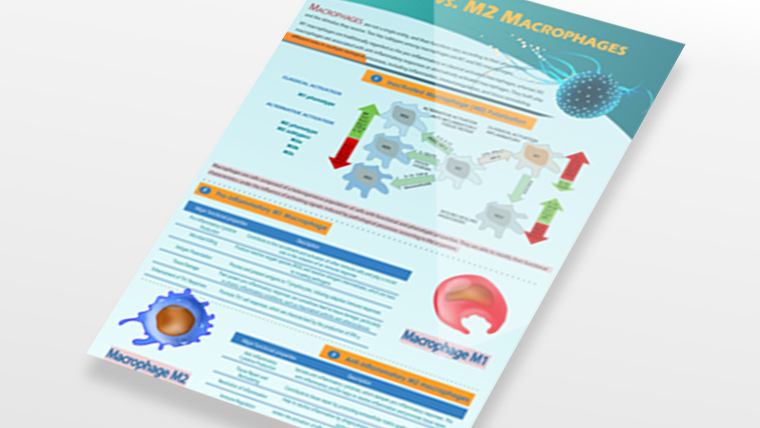
 Fig. 1 M1-activated macrophages demonstrate much stronger adhesive properties but weaker migration in comparison to M2-activated macrophages.1,2
Macrophage adhesion receptor studies are valuable for several research goals:
-
Understanding tissue recruitment and retention
Macrophage accumulation is a hallmark of many pathological conditions, including tumors, atherosclerotic plaques, fibrotic lesions, inflamed joints, infected tissues, and foreign body responses. Adhesion receptors contribute to macrophage entry into these tissues and may also regulate retention once macrophages arrive. Mapping receptor-ligand interactions can help identify why macrophages persist in certain microenvironments.
Macrophage phenotypes are not shaped by soluble cytokines alone. Matrix composition, stiffness, ligand availability, receptor clustering, and cell-cell contact can influence inflammatory, pro-resolving, angiogenic, fibrotic, or immunosuppressive programs. Adhesion receptor assays help connect surface engagement with downstream transcriptional and functional changes.
-
Improving macrophage-targeted therapeutic design
Macrophage-targeted antibodies, nanoparticles, engineered cells, receptor agonists, receptor antagonists, and drug delivery systems require accurate knowledge of macrophage surface molecules. Adhesion receptors may serve as targeting markers, entry mediators, retention regulators, or therapeutic checkpoints.
-
Evaluating phagocytosis and efferocytosis mechanisms
Macrophages use adhesion-associated receptors to capture bacteria, fungi, dead cells, immune complexes, tumor cells, apoptotic bodies, and synthetic particles. Studying receptor dependence helps distinguish between simple binding, productive internalization, lysosomal trafficking, inflammatory activation, and silent clearance.
Different disease environments can reprogram macrophage adhesion receptor expression. For example, tumor-associated macrophages may display matrix-remodeling and immunosuppressive adhesion profiles, while inflammatory macrophages may show enhanced migratory and phagocytic receptor programs. Disease-relevant receptor profiling supports better model design and therapeutic evaluation.
Our Adhesion Receptor Profiling Service
Creative Biolabs provides macrophage adhesion receptor profiling services designed to determine which receptors are present, how strongly they are expressed, where they localize, and how their expression changes under defined experimental conditions.
Flow cytometry-based receptor profiling
We can design customized flow cytometry panels for quantitative analysis of macrophage surface receptors. Multiparameter staining enables simultaneous evaluation of adhesion receptors, macrophage identity markers, polarization-associated markers, viability, activation markers, and treatment-induced changes. This approach is suitable for comparing primary macrophages, monocyte-derived macrophages, tissue-derived macrophages, immortalized macrophage-like cell lines, engineered macrophages, or macrophages isolated from disease models.
Imaging-based receptor localization
Receptor expression level alone does not always predict function. Many adhesion receptors require clustering, polarization, or co-localization with cytoskeletal structures to become functionally active. We offer immunofluorescence, confocal imaging, high-content imaging, and image analysis to evaluate receptor distribution, membrane localization, adhesion structure formation, cell spreading, cell morphology, and receptor recruitment to phagocytic cups or matrix contact zones.
Transcriptomic and proteomic support
When broader discovery is needed, we can support RNA-level or protein-level analysis to identify receptor signatures associated with specific macrophage states. These approaches are useful for comparing resting, inflammatory, alternatively activated, tumor-conditioned, pathogen-exposed, biomaterial-exposed, or drug-treated macrophages.
Receptor expression under microenvironmental stimulation
Macrophage adhesion receptor expression may change after exposure to cytokines, Toll-like receptor ligands, immune complexes, tumor-conditioned media, hypoxia, extracellular matrix proteins, microbial products, apoptotic cells, or therapeutic candidates. Creative Biolabs can build stimulation panels to profile receptor remodeling under disease-relevant conditions.
Functional Adhesion Assay Platforms
Our service goes beyond receptor expression measurement. We provide functional assays to determine whether specific receptors actively contribute to macrophage adhesion, migration, spreading, phagocytosis, or signaling.
-
Cell-matrix adhesion assays - We evaluate macrophage adhesion to defined extracellular matrix proteins, such as fibronectin, collagen, laminin, vitronectin, fibrinogen, osteopontin, or customized matrix mixtures.
-
Cell-cell adhesion assays - Macrophage interactions with endothelial cells, tumor cells, stromal cells, T cells, neutrophils, apoptotic cells, or engineered target cells can be analyzed using co-culture-based adhesion assays.
-
Static and dynamic migration assays - Macrophage migration can be assessed in two-dimensional or three-dimensional systems. Depending on project needs, we can perform scratch-like migration models, transwell assays, chemotaxis assays, matrix invasion assays, and 3D hydrogel-based migration studies.
-
Endothelial adhesion and transmigration models - For studies focused on macrophage recruitment, we provide endothelial adhesion and transmigration assay support. These models can assess monocyte/macrophage adhesion to activated endothelial monolayers, transendothelial migration, cytokine-dependent recruitment, and receptor-specific blocking effects.
-
Phagocytosis-linked adhesion assays - We offer assays to study macrophage binding and internalization of beads, bacteria-like particles, apoptotic cells, tumor cells, immune complexes, complement-opsonized particles, antibody-opsonized targets, and nanoparticles.
-
Efferocytosis assays - We can establish efferocytosis assays using apoptotic target cells and evaluate receptor involvement, uptake efficiency, inflammatory outcome, pro-resolving mediator induction, and treatment effects.
-
Biomaterial and nanoparticle adhesion evaluation - For macrophage-targeted drug delivery and biomaterial development, we can assess macrophage adhesion to synthetic surfaces, nanoparticles, hydrogels, coatings, scaffolds, or implant-relevant materials.
Adhesion Receptor Categories Covered by Our Service
Creative Biolabs provides flexible analysis of a broad range of macrophage surface adhesion receptors. Depending on the research objective, we can focus on selected receptor families or build a customized receptor panel.
|
Adhesion Receptor
|
Description
|
|
Integrins
|
Integrins are central adhesion receptors that mediate macrophage binding to extracellular matrix proteins, endothelial ligands, complement-opsonized targets, and other cellular surfaces. Macrophage integrins are involved in adhesion, spreading, migration, podosome formation, phagocytosis, mechanosensing, and intracellular signaling. Commonly studied macrophage-related integrins include β1, β2, αMβ2, αXβ2, αLβ2, αVβ3, αVβ5, and other context-dependent heterodimers. Integrin activity is regulated not only by expression level but also by conformational activation, ligand affinity, receptor clustering, cytoskeletal linkage, and intracellular adaptor proteins.
|
|
Scavenger receptors
|
Scavenger receptors contribute to macrophage binding and uptake of modified lipoproteins, apoptotic cells, microbial structures, extracellular matrix components, polyanionic ligands, and damage-associated molecules. Members such as SR-A/MSR1, CD36, MARCO, SR-BI, LOX-1, and related receptors can mediate adhesion-like interactions, endocytosis, phagocytosis, lipid handling, inflammatory modulation, and tissue retention. These receptors are especially relevant in atherosclerosis, chronic inflammation, sterile injury, infection, tumor biology, and metabolic disease research.
|
|
Immunoglobulin superfamily adhesion molecules
|
Immunoglobulin superfamily molecules participate in cell-cell interactions, immune synapse-like contacts, inflammatory communication, and tissue positioning. Some members influence macrophage adhesion to endothelial cells, lymphocytes, stromal cells, tumor cells, or other immune cells. These molecules may also cooperate with integrins or regulate downstream activation thresholds.
|
|
Complement receptors
|
Complement receptors connect innate immune recognition with adhesion and phagocytosis. Complement-opsonized targets can engage macrophage receptors that support binding, spreading, internalization, and immune signaling. Complement receptor-dependent macrophage responses are important in infection, immune complex disease, autoimmunity, biomaterial recognition, and antibody-based therapy evaluation.
|
|
Selectin-related and endothelial adhesion systems
|
During recruitment from the circulation, monocytes and macrophage-lineage cells interact with vascular endothelial cells through coordinated adhesion cascades. Selectin ligands, integrins, endothelial counter-receptors, chemokine signals, and activation-dependent adhesion molecules guide rolling, firm adhesion, crawling, and transmigration. These processes can be modeled in static or flow-based systems.
|
|
Matrix-remodeling and podosome-associated receptor networks
|
Macrophages form specialized actin-rich adhesion structures that support matrix sensing, proteolytic remodeling, migration, and invasion. Adhesion receptor clustering, cytoskeletal adaptors, proteases, and mechanotransduction pathways can be analyzed to understand how macrophages navigate dense matrix environments, fibrotic tissues, tumor stroma, or biomaterial surfaces.
|
Receptor Validation and Mechanism-of-Action Studies
Identifying a receptor signature is only the first step. Creative Biolabs helps clients validate whether candidate adhesion receptors are functionally important and how they regulate macrophage behavior.
-
Blocking antibody and ligand competition studies
We can use receptor-blocking antibodies, soluble ligands, ligand-mimetic peptides, recombinant proteins, or competitive inhibitors to test receptor dependence. These approaches are suitable for determining whether a receptor contributes to adhesion, migration, phagocytosis, or signaling under specific conditions.
-
Receptor activation and clustering studies
Some adhesion receptors are regulated by activation state rather than total expression level. We can design assays to evaluate receptor activation, ligand-induced clustering, inside-out signaling, outside-in signaling, and receptor redistribution during macrophage spreading or target engagement.
-
Gene knockdown or knockout support
For deeper validation, receptor expression can be modulated through several strategies where appropriate. Functional assays can then determine how receptor perturbation changes macrophage adhesion, migration, cytokine release, phagocytosis, or phenotype.
-
Signaling pathway analysis
Adhesion receptor engagement activates intracellular pathways involving kinases, small GTPases, cytoskeletal regulators, adaptor proteins, transcription factors, and metabolic programs. We can evaluate downstream signaling events by Western blot, flow cytometry, imaging, phospho-protein analysis, transcript analysis, or customized assay formats.
-
Cytoskeletal and mechanobiology readouts
Macrophage adhesion is closely connected to actin remodeling, spreading, podosome formation, membrane protrusion, contractility, and force generation. Creative Biolabs can incorporate cytoskeletal staining, morphology quantification, adhesion structure imaging, matrix degradation assays, and substrate stiffness comparison to study mechanobiological regulation.
Advantages of Creative Biolabs
-
Integrated macrophage expertise - Creative Biolabs has extensive experience in macrophage biology, macrophage therapeutics, immune cell characterization, functional assay development, and disease-relevant model construction. This allows us to connect receptor biology with meaningful macrophage functions rather than providing isolated marker measurements.
-
Customizable assay design - Macrophage adhesion receptor studies are highly context-dependent. We do not rely on a single fixed assay format. Instead, our scientists customize receptor panels, ligands, matrix conditions, cell models, controls, and readouts according to each project.
-
Multi-level analysis - Our platform can integrate surface expression, receptor localization, ligand binding, functional adhesion, migration, phagocytosis, signaling, cytoskeletal remodeling, and transcript-level changes. This multi-level strategy helps reveal whether a receptor is merely present or truly functional.
-
Disease-relevant modeling - We can incorporate inflammatory stimuli, tumor-conditioned environments, microbial components, extracellular matrix proteins, hypoxia-like conditions, immune complexes, apoptotic cells, biomaterials, or co-culture systems to better reflect disease-specific macrophage behavior.
-
Flexible support from discovery to validation - Whether clients need exploratory receptor profiling, target validation, assay optimization, therapeutic screening, or mechanism-of-action analysis, Creative Biolabs can provide scalable support.
Related Products
|
Cat.No
|
Product Name
|
Product Type
|
|
MTS-1022-JF1
|
B129 Mouse Bone Marrow Monocytes, 1 x 10^7 cells
|
Mouse Monocytes
|
|
MTS-0922-JF99
|
Human M0 Macrophages, 1.5 x 10^6
|
Human M0 Macrophages
|
|
MTS-0922-JF52
|
C57/129 Mouse Macrophages, Bone Marrow
|
C57/129 Mouse Macrophages
|
|
MTS-1022-JF6
|
Human Cord Blood CD14+ Monocytes, Positive selected, 1 vial
|
Human Monocytes
|
|
MTS-0922-JF34
|
CD1 Mouse Macrophages
|
CD1 Mouse Macrophages
|
|
MTS-1123-HM6
|
Macrophage Colony Stimulating Factor (MCSF) ELISA Kit, Colorimetric
|
Detection Kit
|
|
MTS-1123-HM15
|
Macrophage Chemokine Ligand 19 (CCL19) ELISA Kit, qPCR
|
Detection Kit
|
|
MTS-1123-HM17
|
Macrophage Chemokine Ligand 4 (CCL4) ELISA Kit, Colorimetric
|
Detection Kit
|
|
MTS-1123-HM49
|
Macrophage Migration Inhibitory Factor (MIF) ELISA Kit, Colorimetric
|
Detection Kit
|
|
MTS-1123-HM42
|
Macrophage Receptor with Collagenous Structure ELISA Kit, Colorimetric
|
Detection Kit
|
Scientific Resources
Q & A
Q: What types of macrophages can be used for adhesion receptor studies?
A: We can support studies using human monocyte-derived macrophages, mouse bone marrow-derived macrophages, macrophage-like cell lines, tissue-derived macrophages, engineered macrophages, and macrophages from customized culture systems. The best model depends on the research goal, species requirement, disease context, and desired readouts.
Q: Can Creative Biolabs design a custom adhesion receptor panel?
A: Yes. We can design targeted or broad receptor panels based on the client's research area. Panels may include integrins, scavenger receptors, lectin receptors, complement receptors, Fc receptors, immunoglobulin superfamily molecules, and activation-related markers.
Q: Can receptor expression and receptor function be analyzed in the same project?
A: Yes. We frequently combine surface profiling with functional assays such as cell-matrix adhesion, migration, phagocytosis, efferocytosis, or receptor-blocking studies. This helps determine whether receptor expression changes are functionally meaningful.
Q: Can you study macrophage adhesion under inflammatory or disease-like conditions?
A: Yes. Macrophages can be exposed to cytokines, microbial components, tumor-conditioned media, hypoxia-like conditions, immune complexes, apoptotic cells, or other stimuli to model disease-relevant receptor regulation.
Q: Can you identify which receptor is responsible for a functional phenotype?
A: We can use blocking antibodies, ligand competition, receptor activation studies, gene knockdown or knockout support, and pathway analysis to validate receptor involvement. In some cases, multiple receptors may contribute to the phenotype, and we can design combination strategies to address receptor cooperation.
Adhesion receptors on the macrophage surface are key regulators of macrophage localization, tissue interaction, migration, phagocytosis, efferocytosis, mechanosensing, and disease-specific functional programming. Understanding these receptors can provide valuable insight into macrophage biology and reveal new opportunities for therapeutic targeting, biomaterial optimization, immune modulation, and macrophage-based drug delivery.
Creative Biolabs provides comprehensive and customizable Adhesion Receptors of Macrophage Surface Service to support receptor profiling, functional validation, mechanistic investigation, and preclinical research. With flexible macrophage models, advanced assay platforms, and integrated data analysis, our team helps clients translate complex macrophage adhesion biology into actionable experimental results.
For more information about our macrophage adhesion receptor services or to discuss a customized project, please contact Creative Biolabs. Our scientists are ready to support your research from initial assay design to data interpretation and next-step development.
References
-
Cui, Kui, et al. "Distinct migratory properties of M1, M2, and resident macrophages are regulated by αDβ2 and αMβ2 integrin-mediated adhesion." Frontiers in immunology 9 (2018): 2650. https://doi.org/10.3389/fimmu.2018.02650
-
Distributed under Open Access license CC BY 4.0, without modification.