Macrophage Functions
Overview Our Service Workflow Applications Advantages Related Products Scientific Resources Q & A
Macrophages are among the most functionally versatile cells in the immune system. Rather than acting through a single fixed mechanism, macrophages integrate environmental cues and translate them into diverse biological outputs, including particle uptake, antigen handling, cytokine secretion, tissue remodeling, immune-cell recruitment, efferocytosis, inflammatory amplification, immune suppression, and direct or indirect cytotoxicity. Their functional plasticity allows them to protect tissues from danger, support repair after injury, shape adaptive immunity, and influence therapeutic responses across infection, cancer, autoimmunity, metabolic disease, fibrosis, neuroinflammation, and regenerative medicine.
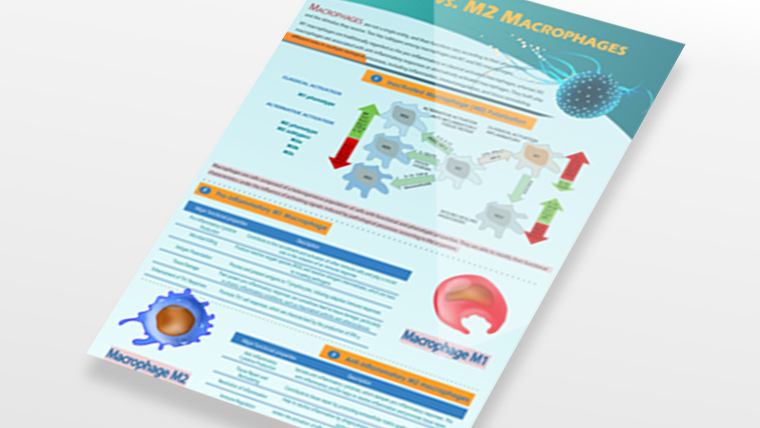
 Fig. 1 The M1/M2 macrophage origin, activation, and functional basis.1,2
For researchers and drug developers, macrophage function is often more informative than marker expression alone. A macrophage population that appears similar by surface phenotype may differ significantly in phagocytic activity, cytokine release profile, migration potential, antigen presentation capacity, metabolic state, or ability to interact with tumor cells, T cells, stromal cells, endothelial cells, or damaged tissue. Therefore, functional assessment is essential for understanding macrophage biology and for developing macrophage-targeted therapeutics, cell-based products, immune modulators, biologics, nanoparticles, and disease-relevant model systems.
Creative Biolabs provides a comprehensive macrophage functions service platform designed to help clients characterize, quantify, compare, and modulate macrophage activities in customized experimental systems. Our services cover a broad range of macrophage functions, including phagocytosis and intracellular processing, efferocytosis, antigen processing and presentation, cytokine and chemokine secretion, chemotaxis and migration, adhesion, inflammasome activation, immunometabolic remodeling, tumor cell killing support, tissue repair-related activities, and multi-cellular immune crosstalk.
Overview of Macrophage Functional Biology
Macrophages are professional immune sentinels distributed throughout almost all tissues. They originate from embryonic progenitors, circulating monocytes, or tissue-specific precursor pools depending on the anatomical site and developmental context. Once established in tissues, macrophages adapt to local signals and acquire specialized functional properties. For example, alveolar macrophages help maintain surfactant homeostasis and pulmonary immune surveillance, microglia support central nervous system homeostasis and synaptic remodeling, Kupffer cells participate in hepatic clearance and metabolic regulation, osteoclast-lineage macrophages regulate bone remodeling, and tumor-associated macrophages can either restrict or support tumor progression depending on their activation state and microenvironmental programming.
Although macrophages are commonly described using simplified activation categories, real macrophage function exists along a dynamic continuum. Stimulation with cytokines, immune complexes, pathogen-associated molecules, dying cells, extracellular matrix fragments, lipids, hypoxia, metabolic stress, tumor-derived factors, and therapeutic agents can generate distinct functional programs. These programs may involve inflammatory mediator production, immune suppression, antigen presentation, tissue repair, matrix remodeling, angiogenesis, phagocytosis, or metabolic adaptation. Importantly, a macrophage may perform several functions simultaneously, and these functions may be coordinated, uncoupled, or even contradictory depending on the biological context.
Functional macrophage analysis therefore requires carefully selected models, relevant stimuli, appropriate controls, quantitative readouts, and integrated interpretation. Creative Biolabs designs function-focused study plans to capture these complexities and provide data that are useful for mechanism discovery, candidate selection, and translational decision-making.
Creative Biolabs Macrophage Functions Service Platform
Creative Biolabs offers a flexible and integrated macrophage functional assay platform for academic researchers, biotechnology companies, pharmaceutical developers, and translational research teams. Our platform supports both stand-alone functional assays and multi-module projects that combine phenotyping, functional activity, molecular mechanism analysis, and therapeutic evaluation.
Our macrophage function services can support:
-
Macrophage biology research
-
Drug discovery and candidate screening
-
Macrophage-targeted therapeutic development
-
Cell therapy and engineered macrophage evaluation
-
Nanoparticle and drug delivery assessment
-
Inflammation and immune regulation studies
-
Cancer immunology and tumor microenvironment research
-
Autoimmune and chronic inflammatory disease modeling
-
Tissue repair, fibrosis, and wound healing research
-
Host defense and immune safety assessment
-
Biomarker discovery and mechanism-of-action studies
-
Comparative analysis of macrophage sources, donors, or activation states
Depending on the project goal, our scientists can design customized workflows using human peripheral blood monocyte-derived macrophages, mouse bone marrow-derived macrophages, tissue-resident macrophages, iPSC-derived macrophages, immortalized macrophage-like cell lines, genetically modified macrophages, polarized macrophage subsets, disease-conditioned macrophage models, or macrophage-containing co-culture systems. We can also incorporate client-provided test articles, including small molecules, monoclonal antibodies, bispecific antibodies, cytokines, recombinant proteins, peptides, nucleic acid therapeutics, gene-editing components, nanoparticles, liposomes, extracellular vesicles, biomaterials, immune complexes, tumor cells, dying cells, or customized disease-relevant materials.
Macrophage Phagocytosis and Particle Uptake
Creative Biolabs provides customized macrophage phagocytosis assays to evaluate uptake efficiency, kinetics, receptor dependence, cargo processing, and functional consequences. We can assess uptake of fluorescent beads, labeled particles, apoptotic cells, immune complexes, antibody-opsonized targets, complement-coated targets, nanoparticles, liposomes, exosomes, engineered vesicles, bacteria-like particles, tumor cell fragments, or client-defined materials. Readouts can include flow cytometry, fluorescence microscopy, confocal imaging, high-content imaging, plate-based fluorescence measurement, live-cell imaging, and image-based quantification.
Efferocytosis and Clearance of Dying Cells
Creative Biolabs develops efferocytosis assay systems using apoptotic target cells, labeled dying cells, cell debris, or customized disease-relevant targets. We can compare efferocytic capacity across macrophage sources, donor groups, polarization states, genetic backgrounds, disease models, or treatment conditions. Assay endpoints may include engulfment index, target cell binding versus internalization, time-dependent clearance, macrophage activation after uptake, expression of efferocytosis-related receptors, secretion of pro-resolving or inflammatory mediators, and post-efferocytosis phenotypic remodeling.
Macrophage Antigen Processing and Presentation
Creative Biolabs provides macrophage antigen processing and presentation services to evaluate how macrophages handle antigens and communicate with T cells. We can design assays using soluble proteins, peptides, immune complexes, cell-associated antigens, tumor-associated antigens, pathogen-derived antigens, nanoparticles carrying antigenic cargo, or client-provided antigen systems. Macrophage antigen presentation can be assessed using MHC-I, MHC-II, co-stimulatory molecule, and co-inhibitory molecule readouts, as well as T cell activation endpoints such as proliferation, cytokine secretion, activation marker expression, cytotoxic function, or reporter cell response.
Creative Biolabs provides macrophage secretion and cytokine profiling services using single-analyte assays, multiplex immunoassays, ELISA, bead-based panels, chemokine arrays, targeted protein panels, qPCR-based expression analysis, and customized mediator detection strategies. We can measure inflammatory cytokines, anti-inflammatory mediators, chemokines, interferon-stimulated factors, growth factors, matrix remodeling enzymes, angiogenesis-related mediators, inflammasome-associated cytokines, and other client-requested targets.
Chemotaxis, Migration, and Tissue Recruitment
Creative Biolabs offers macrophage chemotaxis and migration assays to quantify directional movement, random motility, transmigration, invasion through extracellular matrix, and response to defined chemoattractants. Assay formats may include transwell migration, microfluidic gradient systems, scratch or wound-like assays, real-time imaging, matrix invasion assays, endothelial transmigration models, and 3D migration platforms. We can assess macrophage responses to chemokines, conditioned media, tumor-derived factors, inflammatory mediators, tissue extracts, complement components, or client-provided formulations.
Adhesion, Matrix Interaction, and Tissue Remodeling
Creative Biolabs provides macrophage adhesion and tissue remodeling-related assays to evaluate macrophage binding to extracellular matrix proteins, endothelial cells, epithelial cells, biomaterials, coated surfaces, or 3D matrices. We can measure adhesion strength, spreading morphology, cytoskeletal organization, integrin-associated signaling, matrix degradation, metalloproteinase activity, fibroblast crosstalk, and macrophage behavior in scaffold-like environments.
Typical Workflow
Creative Biolabs offers flexible workflows for macrophage function projects. Each project can be adapted to the client's biological question, test article type, sample availability, and preferred readout depth.
|
Workflow
|
Description
|
|
Project Consultation
|
Our scientific team discusses the research objective, macrophage function of interest, disease context, therapeutic modality, macrophage source, species, sample format, expected readouts, control strategy, and data requirements. We help define whether the project requires a focused assay, a comparative functional panel, a screening workflow, or a mechanism-oriented study.
|
|
Model Selection and Assay Design
|
We recommend suitable macrophage models and assay formats based on biological relevance and feasibility. Variables such as donor selection, differentiation protocol, activation conditions, stimulus concentration, treatment window, co-culture ratio, target cell type, assay duration, and endpoint selection are optimized according to the project goal.
|
|
Macrophage Preparation and Functional Conditioning
|
Macrophages are prepared using validated protocols and conditioned as required. This may include polarization, cytokine stimulation, disease-relevant exposure, tumor-conditioned programming, hypoxia treatment, lipid loading, inflammatory priming, immune-complex stimulation, or client-defined treatment.
|
|
Functional Assay Execution
|
Functional assays are performed under controlled experimental conditions with appropriate positive controls, negative controls, vehicle controls, untreated controls, and technical or biological replicates. Depending on project needs, multiple functions can be assessed in parallel or sequentially.
|
|
Data Acquisition and Quality Control
|
Data are collected using appropriate platforms such as flow cytometry, imaging, plate-based detection, molecular analysis, protein profiling, or metabolic measurement. Quality control steps may include cell viability assessment, macrophage purity or identity confirmation, assay performance validation, signal-to-background evaluation, and reproducibility analysis.
|
|
Data Analysis and Interpretation
|
Creative Biolabs provides processed data, statistical summaries, visualization, comparative interpretation, and functional conclusions. When applicable, we can identify candidate mechanisms, recommend follow-up assays, rank test articles, or suggest expanded validation strategies.
|
Applications of Macrophage Function Services
Macrophage function services can support diverse research and development programs. Common application areas include:
-
Therapeutic Candidate Evaluation - Macrophage assays can be used to determine whether small molecules, antibodies, proteins, peptides, RNA therapeutics, nanoparticles, or cell therapy candidates modulate macrophage function. These studies may support candidate selection, mechanism clarification, dose optimization, or combination strategy development.
-
Macrophage Reprogramming Research - Many therapeutic strategies aim to shift macrophages from a disease-promoting state toward a beneficial functional state. Creative Biolabs can help assess whether reprogramming approaches alter cytokine release, phagocytosis, tumor interaction, antigen presentation, migration, metabolism, or tissue repair activity.
-
Immune Safety and Inflammatory Risk Assessment - Macrophages can detect and respond to biologics, delivery vehicles, biomaterials, immune complexes, and nucleic acid platforms. Functional assays can reveal inflammatory activation, cytokine release, inflammasome engagement, oxidative stress, viability changes, or unintended immune modulation.
-
Disease Model Development - Macrophage functional profiling can improve disease model relevance in cancer, fibrosis, neuroinflammation, metabolic disease, autoimmune disease, chronic inflammation, wound healing, and host defense research. Disease-conditioned macrophage models can help reproduce key pathological activities and evaluate intervention strategies.
-
Biomarker and Mechanism Discovery - Functional macrophage assays can be integrated with transcriptomic, proteomic, and secretomic analysis to identify biomarkers associated with macrophage activation, suppression, repair, phagocytic capacity, antigen presentation, or treatment response.
-
Cell Therapy and Engineered Macrophage Evaluation - Engineered macrophages require detailed functional validation. Creative Biolabs can evaluate engineered macrophage viability, phenotype, phagocytosis, migration, tumor interaction, cytokine profile, antigen presentation capacity, persistence-related properties, and response to disease-relevant microenvironmental cues.
Why Choose Creative Biolabs
Creative Biolabs provides macrophage function services with a strong focus on customization, biological relevance, and integrated interpretation. We design studies around each client's research question and decision-making needs. Our advantages include:
-
Comprehensive coverage of macrophage functions
-
Multiple macrophage source options
-
Customized assay design for different disease contexts
-
Integration of phenotyping and functional readouts
-
Co-culture and microenvironment-relevant assay systems
-
Support for biologics, small molecules, nanoparticles, and cell therapies
-
Flexible low-throughput, medium-throughput, and screening-compatible workflows
-
Mechanism-focused follow-up study design
-
Experienced scientific support from project planning to data interpretation
Whether you need a single phagocytosis assay, a cytokine profiling panel, a macrophage-T cell co-culture model, a tumor-associated macrophage functional platform, or a comprehensive macrophage function mapping project, Creative Biolabs can provide tailored support to accelerate your research.
Related Products
|
Cat.No
|
Product Name
|
Product Type
|
|
MTS-1022-JF1
|
B129 Mouse Bone Marrow Monocytes, 1 x 10^7 cells
|
Mouse Monocytes
|
|
MTS-0922-JF99
|
Human M0 Macrophages, 1.5 x 10^6
|
Human M0 Macrophages
|
|
MTS-0922-JF52
|
C57/129 Mouse Macrophages, Bone Marrow
|
C57/129 Mouse Macrophages
|
|
MTS-1022-JF6
|
Human Cord Blood CD14+ Monocytes, Positive selected, 1 vial
|
Human Monocytes
|
|
MTS-0922-JF34
|
CD1 Mouse Macrophages
|
CD1 Mouse Macrophages
|
|
MTS-1123-HM6
|
Macrophage Colony Stimulating Factor (MCSF) ELISA Kit, Colorimetric
|
Detection Kit
|
|
MTS-1123-HM15
|
Macrophage Chemokine Ligand 19 (CCL19) ELISA Kit, qPCR
|
Detection Kit
|
|
MTS-1123-HM17
|
Macrophage Chemokine Ligand 4 (CCL4) ELISA Kit, Colorimetric
|
Detection Kit
|
|
MTS-1123-HM49
|
Macrophage Migration Inhibitory Factor (MIF) ELISA Kit, Colorimetric
|
Detection Kit
|
|
MTS-1123-HM42
|
Macrophage Receptor with Collagenous Structure ELISA Kit, Colorimetric
|
Detection Kit
|
Scientific Resources
Q & A
Q: Can multiple macrophage functions be analyzed in the same project?
A: Yes. Many projects benefit from a multi-functional assay design because macrophage phenotype and function are not always aligned. For example, a treatment may reduce inflammatory cytokine release while increasing efferocytosis, or it may enhance phagocytosis while impairing cell viability. Creative Biolabs can combine functional assays with flow cytometry, imaging, cytokine profiling, transcriptomics, and metabolic analysis to provide a more complete view of macrophage behavior.
Q: What macrophage functions can Creative Biolabs evaluate?
A: Creative Biolabs can evaluate a wide range of macrophage functions, including phagocytosis, efferocytosis, antigen processing and presentation, cytokine and chemokine secretion, chemotaxis, migration, adhesion, inflammasome activation, oxidative and nitrosative responses, immunometabolism, tumor cell interaction, antibody-dependent cellular phagocytosis, tissue remodeling-related activity, and immune-cell crosstalk. Assay panels can be customized according to the disease area, macrophage source, therapeutic modality, and required level of mechanistic detail.
Q: Can macrophage function assays be adapted for cancer immunology research?
A: Yes. Creative Biolabs offers macrophage-tumor co-culture assays, tumor cell phagocytosis assays, antibody-dependent cellular phagocytosis assays, tumor-conditioned macrophage models, cytokine profiling, T cell crosstalk assays, and macrophage reprogramming studies. These services are suitable for evaluating macrophage-directed cancer therapies, antibody candidates, innate immune agonists, cell therapy products, and tumor microenvironment-modulating strategies.
Q: How should I choose the right macrophage function assay?
A: The most appropriate assay depends on the biological question. For clearance-related research, phagocytosis or efferocytosis assays may be most relevant. For immune activation studies, cytokine profiling, inflammasome analysis, or antigen presentation assays may be preferred. For cancer programs, tumor co-culture and antibody-dependent phagocytosis assays may be useful. Creative Biolabs can help design a customized assay plan based on your research objective, macrophage model, test article, and desired deliverables.
Q: Can functional assays be combined with omics analysis?
A: Yes. Functional assays can be integrated with transcriptomic, proteomic, secretomic, or metabolic profiling to connect observed macrophage activity with underlying molecular programs. This approach is useful for mechanism-of-action research, biomarker discovery, disease model characterization, and therapeutic candidate differentiation.
Macrophage function analysis provides critical insight into how macrophages respond, adapt, communicate, and influence disease-relevant environments. Creative Biolabs offers integrated and customizable macrophage function services to support basic research, therapeutic discovery, translational validation, and preclinical development. Please contact us to discuss your project goals, preferred macrophage model, functional readouts, and customized assay requirements.
References
-
Chen, Shanze, et al. "Macrophages in immunoregulation and therapeutics." Signal transduction and targeted therapy 8.1 (2023): 207. https://doi.org/10.1038/s41392-023-01452-1
-
Distributed under Open Access license CC BY 4.0, without modification.