Bone Marrow Macrophage Heterogeneity
Overview Our Service Functional Assays Applications Model Systems Related Products Scientific Resources Q & A
Bone marrow is not only the anatomical site of blood cell production, but also a highly organized immune, stromal, vascular, and skeletal microenvironment. Within this complex tissue, macrophages are positioned at key biological interfaces where hematopoietic stem and progenitor cells, developing erythroid cells, osteolineage cells, endothelial cells, immune cells, extracellular matrix, and circulating factors interact. Instead of functioning as a single uniform cell population, bone marrow macrophages form a diverse network of resident, recruited, niche-associated, and activation-state-dependent subsets.
Creative Biolabs provides comprehensive bone marrow macrophage heterogeneity services to help researchers characterize, model, and functionally interpret macrophage diversity within the bone marrow environment. Our platform integrates macrophage biology, hematopoietic niche analysis, flow cytometry, immunophenotyping, single-cell profiling, spatial analysis, co-culture modeling, functional assays, and customized therapeutic evaluation.
Why Bone Marrow Macrophage Heterogeneity Matters
The bone marrow microenvironment contains multiple cellular niches that support blood formation and tissue homeostasis. Macrophages contribute to these niches through direct cell-cell contact, soluble mediator release, clearance of apoptotic cells, extracellular matrix remodeling, iron handling, and immune surveillance. Because these activities are not evenly distributed among all macrophages, bulk-level analysis can easily overlook biologically meaningful differences.
For example, macrophages associated with erythroblastic islands may support erythroid maturation and enucleation, while macrophages located near hematopoietic stem cell niches may influence stem cell maintenance, mobilization, and recovery after stress. Osteal or bone-associated macrophages may communicate with osteoblast-lineage cells and participate in bone remodeling. In inflammatory, malignant, or aging marrow, macrophage populations may shift toward altered activation states, acquire suppressive or inflammatory functions, or reshape the niche in ways that affect disease progression and therapeutic response.
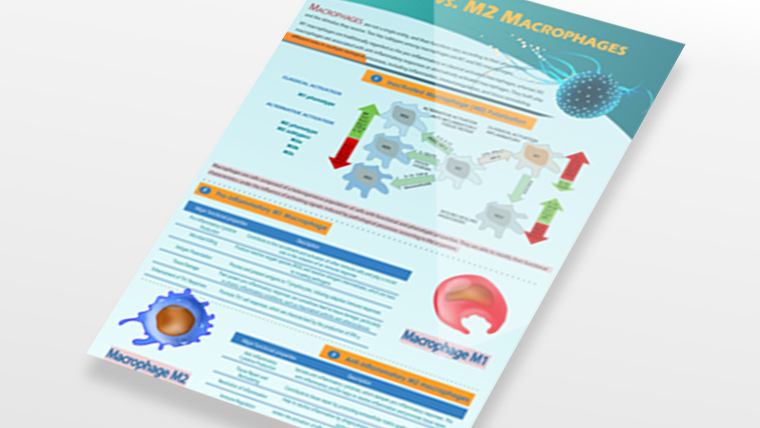
 Fig. 1 Biology of macrophages.1,2
Understanding bone marrow macrophage heterogeneity can help answer important research questions such as:
-
Which macrophage subsets are present in a specific bone marrow model?
-
How do macrophage populations differ between homeostatic, inflammatory, aging, malignant, or treatment-exposed marrow?
-
Which macrophage subsets support hematopoietic stem and progenitor cell behavior?
-
How do erythroblastic island macrophages change during anemia, stress erythropoiesis, or therapeutic intervention?
-
Do candidate drugs alter macrophage subset composition, activation state, or niche-supporting function?
-
Can macrophage-targeted strategies improve hematopoietic recovery, reduce marrow inflammation, or modulate tumor-supportive niches?
Creative Biolabs supports these questions with tailored experimental designs that connect macrophage phenotype to function, microenvironmental context, and translational relevance.
Creative Biolabs Bone Marrow Macrophage Heterogeneity Service Platform
Creative Biolabs offers an integrated service platform designed to characterize bone marrow macrophage heterogeneity across cellular, molecular, and functional dimensions. Our services can be used as standalone modules or combined into a complete project workflow from sample preparation to data interpretation.
Bone Marrow Macrophage Subset Profiling
We provide customized macrophage profiling services to identify and compare macrophage populations in bone marrow samples, cell culture systems, animal models, and disease-relevant experimental settings. Depending on the project design, we can analyze surface markers, intracellular proteins, activation-associated molecules, phagocytic features, cytokine profiles, transcriptional signatures, and functional readouts.
Potential profiling panels may include markers related to macrophage identity, monocyte origin, tissue residency, erythroblastic island association, phagocytosis, antigen presentation, inflammatory activation, immune regulation, iron handling, osteal association, and niche interaction. Species-specific panel development is available for human, mouse, rat, and other research models depending on reagent availability.
Erythroblastic Island Macrophage Characterization
Erythroblastic islands are specialized marrow structures in which developing erythroid cells interact with a central macrophage. These central macrophages are involved in supporting erythroblast survival, maturation, enucleation, and clearance of extruded nuclei. Because erythroblastic island macrophages may display distinct marker patterns and functional behavior, they represent an important component of bone marrow macrophage heterogeneity.
Creative Biolabs provides services for erythroblastic island macrophage analysis, including marker panel design, macrophage-erythroid cell interaction assessment, imaging-supported characterization, flow cytometry-based analysis, and functional studies related to erythroid maturation. These services can be adapted for studies of anemia, stress erythropoiesis, iron metabolism, marrow toxicity, hematopoietic recovery, gene therapy, and red blood cell production models.
Our erythroblastic island macrophage services may include:
-
Identification of macrophage populations associated with erythroid cells
-
Analysis of macrophage-erythroblast adhesion markers
-
Evaluation of erythroid maturation support
-
Assessment of engulfment of extruded nuclei or apoptotic erythroid cells
-
Cytokine and growth factor profiling in erythroid co-culture systems
-
Comparison of macrophage function under homeostatic and stress conditions
-
Evaluation of therapeutic candidates that may affect erythropoiesis
Hematopoietic Stem Cell Niche Macrophage Studies
Macrophages can participate in the regulation of hematopoietic stem and progenitor cell behavior through interactions with stromal cells, endothelial cells, osteolineage cells, and soluble niche factors. In some settings, macrophage depletion, activation, or functional reprogramming can influence hematopoietic stem cell retention, mobilization, quiescence, and regeneration. Therefore, analyzing macrophage heterogeneity within HSC-associated niches can provide valuable insight for hematology, stem cell transplantation, inflammatory disease, and regenerative medicine research.
Creative Biolabs supports customized HSC niche macrophage studies using co-culture systems, macrophage-conditioned media, stem/progenitor cell assays, cytokine analysis, receptor-ligand profiling, and treatment-response evaluation. Our team can help design models to assess whether specific macrophage subsets promote, suppress, or modify hematopoietic cell behavior. Available study designs may include:
-
Macrophage-HSPC co-culture models
-
Macrophage-stromal-HSPC interaction studies
-
Cytokine and chemokine profiling of macrophage-conditioned systems
-
Evaluation of macrophage effects on colony-forming potential
-
Analysis of macrophage-mediated HSPC retention or mobilization signals
-
Drug candidate testing in macrophage-HSPC niche models
-
Inflammatory or stress-induced niche remodeling studies
Osteal and Bone-Associated Macrophage Analysis
Bone marrow macrophages are closely connected to skeletal biology. Bone-associated macrophages, often discussed in relation to osteal macrophages or osteomacs, interact with osteoblast-lineage cells and may influence bone formation, remodeling, repair, and inflammatory bone loss. In addition, macrophage-osteoclast lineage relationships create complex analytical challenges because bone-resorbing osteoclasts and macrophage populations share certain lineage-associated features but perform distinct biological functions.
Creative Biolabs provides customized services to study macrophage heterogeneity at the marrow-bone interface. These services may support research in bone remodeling, osteoporosis, inflammatory bone disease, bone metastasis, fracture repair, implant biology, and regenerative medicine.
Functional Assays for Bone Marrow Macrophage Subsets
Phenotypic differences are most valuable when they can be connected to function. Creative Biolabs offers a variety of functional assays to investigate the biological roles of bone marrow macrophages and their subsets.
|
Assays
|
Description
|
Applications
|
|
Phagocytosis and Efferocytosis Assays
|
Bone marrow macrophages clear apoptotic cells, extruded nuclei, cellular debris, and damaged components from the marrow environment. Efficient clearance is important for tissue homeostasis and prevention of excessive inflammation. Creative Biolabs provides assays to evaluate macrophage phagocytosis and efferocytosis using customized substrates and readouts.
|
-
Assessing clearance of apoptotic hematopoietic cells
-
Evaluating engulfment of erythroid nuclei or debris-like substrates
-
Measuring treatment-induced changes in phagocytic capacity
-
Comparing macrophage subsets under inflammatory or homeostatic conditions
-
Investigating candidate molecules that enhance or suppress macrophage clearance activity
|
|
Cytokine, Chemokine, and Secretome Profiling
|
Bone marrow macrophages influence the local microenvironment through soluble mediators. These factors can affect hematopoietic cells, stromal cells, endothelial cells, immune cells, and bone-lineage cells. Creative Biolabs offers cytokine and chemokine profiling services to characterize macrophage secretory programs.
|
Readouts may include inflammatory cytokines, regulatory cytokines, chemokines, growth factors, matrix-remodeling mediators, iron-related factors, and niche-associated signals. These data can be used to compare macrophage activation states, evaluate therapeutic effects, and identify candidate mechanisms of macrophage-niche communication.
|
|
Macrophage Polarization and Activation-State Analysis
|
Creative Biolabs can design stimulation and profiling workflows to evaluate how bone marrow macrophages respond to inflammatory cytokines, immune complexes, microbial components, damage-associated signals, metabolic stress, hypoxia-related cues, or therapeutic compounds.
|
-
Pro-inflammatory activation
-
Immunoregulatory programs
-
Tissue-remodeling features
-
Interferon-associated responses
-
Stress-response states
-
Anti-inflammatory or repair-associated signatures
-
Disease-relevant macrophage reprogramming
|
|
Co-Culture and Niche Interaction Assays
|
Macrophage heterogeneity emerges from interaction with neighboring cells. Creative Biolabs offers customized co-culture systems to model macrophage communication with hematopoietic stem and progenitor cells, erythroid cells, stromal cells, osteoblast-lineage cells, endothelial cells, immune cells, tumor cells, or engineered cellular systems.
|
-
Macrophage-driven changes in HSPC behavior
-
Macrophage support of erythroid maturation
-
Stromal regulation of macrophage activation
-
Tumor-mediated macrophage reprogramming in marrow-like environments
-
Drug effects on macrophage-niche crosstalk
-
Inflammatory remodeling of marrow cell interactions
|
Disease and Application Areas
Creative Biolabs' bone marrow macrophage heterogeneity services can support a broad range of research and development programs.
-
Hematological Malignancy Research
Our services can help clients profile macrophage heterogeneity in tumor-bearing marrow models, analyze tumor-associated macrophage-like states in bone marrow, evaluate macrophage response to anti-cancer therapies, study macrophage-mediated immune suppression or inflammatory remodeling, test macrophage-targeted or macrophage-modulating therapeutic candidates, and develop co-culture systems involving malignant cells and marrow macrophages.
-
Anemia and Erythropoiesis Research
Erythroblastic island macrophages are closely linked to red blood cell development. Their dysfunction may be relevant to anemia of inflammation, ineffective erythropoiesis, marrow stress, genetic blood disorders, and therapy-induced hematological toxicity.
-
Hematopoietic Stem Cell Transplantation and Marrow Recovery
Macrophage-niche interactions may influence marrow regeneration after chemotherapy, irradiation, transplantation, inflammatory injury, or genetic manipulation. Understanding macrophage heterogeneity during recovery can help identify supportive or inhibitory macrophage states.
-
Bone Remodeling and Skeletal Disease
Bone marrow macrophages contribute to the bone microenvironment and may influence osteogenesis, osteoclastogenesis, implant response, inflammatory bone loss, and repair processes. Creative Biolabs supports macrophage-focused studies in skeletal biology and bone-associated disease models.
-
Aging and Inflammatory Hematopoiesis
Aging is associated with changes in marrow composition, immune function, inflammatory signaling, and hematopoietic output. Bone marrow macrophages may undergo phenotypic and functional shifts that contribute to altered hematopoiesis, impaired regeneration, or chronic low-grade inflammation.
-
Drug Safety and Translational Evaluation
Because bone marrow is sensitive to therapeutic toxicity, macrophage heterogeneity analysis can provide valuable information for drug safety and translational development. Candidate biologics, cell therapies, nanoparticles, gene therapies, immune modulators, and small molecules may alter macrophage activity or marrow niche function.
Sample Types and Model Systems
Creative Biolabs can develop bone marrow macrophage heterogeneity workflows based on different sample types and model systems. Project feasibility depends on sample quality, species, available markers, intended readouts, and experimental design. Supported or customizable sample/model options may include:
-
Human bone marrow mononuclear cells
-
Mouse bone marrow cells
-
Rat or other preclinical bone marrow samples
-
Primary bone marrow-derived macrophages
-
Bone marrow macrophage cultures
-
Hematopoietic stem/progenitor cell co-cultures
-
Erythroid cell and macrophage co-culture systems
-
Stromal-macrophage co-culture systems
-
Osteoblast-lineage and macrophage models
-
Tumor cell and marrow macrophage co-cultures
-
Inflammatory stimulation models
-
Drug-treated or genetically modified experimental systems
-
2D and selected 3D marrow-like culture formats
Our scientists can assist with model selection based on research objective, species relevance, assay complexity, sample availability, and translational requirements.
Related Products
|
Cat.No
|
Product Name
|
Product Type
|
|
MTS-1022-JF1
|
B129 Mouse Bone Marrow Monocytes, 1 x 10^7 cells
|
Mouse Monocytes
|
|
MTS-0922-JF99
|
Human M0 Macrophages, 1.5 x 10^6
|
Human M0 Macrophages
|
|
MTS-0922-JF52
|
C57/129 Mouse Macrophages, Bone Marrow
|
C57/129 Mouse Macrophages
|
|
MTS-1022-JF6
|
Human Cord Blood CD14+ Monocytes, Positive selected, 1 vial
|
Human Monocytes
|
|
MTS-0922-JF34
|
CD1 Mouse Macrophages
|
CD1 Mouse Macrophages
|
|
MTS-1123-HM6
|
Macrophage Colony Stimulating Factor (MCSF) ELISA Kit, Colorimetric
|
Detection Kit
|
|
MTS-1123-HM15
|
Macrophage Chemokine Ligand 19 (CCL19) ELISA Kit, qPCR
|
Detection Kit
|
|
MTS-1123-HM17
|
Macrophage Chemokine Ligand 4 (CCL4) ELISA Kit, Colorimetric
|
Detection Kit
|
|
MTS-1123-HM49
|
Macrophage Migration Inhibitory Factor (MIF) ELISA Kit, Colorimetric
|
Detection Kit
|
|
MTS-1123-HM42
|
Macrophage Receptor with Collagenous Structure ELISA Kit, Colorimetric
|
Detection Kit
|
Scientific Resources
Q & A
Q: Can you distinguish bone marrow macrophages from monocytes, dendritic cells, or osteoclast-lineage cells?
A: Yes. We can design multi-parameter panels that include macrophage markers, lineage exclusion markers, monocyte-associated markers, dendritic cell markers, granulocyte exclusion markers, and osteoclast-related features where appropriate. Because bone marrow contains many myeloid populations with overlapping markers, careful panel design and gating strategy are essential. For complex projects, we may recommend combining flow cytometry with imaging, transcriptional analysis, or functional assays.
Q: Can you work with mouse bone marrow models?
A: Yes. Mouse bone marrow is commonly used for macrophage heterogeneity studies, disease modeling, genetic manipulation, aging studies, hematopoietic stress models, and therapeutic evaluation. Creative Biolabs can design mouse-specific marker panels and functional assays based on the target macrophage populations and experimental context.
Q: Can you test candidate drugs or biologics in bone marrow macrophage models?
A: Yes. Creative Biolabs can evaluate small molecules, antibodies, recombinant proteins, cytokines, engineered cells, gene therapy-related components, nanoparticles, biomaterials, and other therapeutic candidates in customized bone marrow macrophage models. Readouts may include macrophage subset distribution, activation status, secretome changes, phagocytic activity, niche-supporting function, and effects on co-cultured hematopoietic or stromal cells.
Q: How do you select markers for bone marrow macrophage heterogeneity studies?
A: Marker selection depends on species, sample type, target subset, disease context, and available validation data. We usually combine general macrophage identity markers with markers related to monocyte origin, tissue residency, phagocytosis, adhesion, erythroid association, antigen presentation, inflammatory activation, regulatory function, iron handling, and niche interaction. For discovery-stage projects, we may recommend broader profiling followed by focused validation.
Q: Can you design a complete custom project?
A: Yes. Creative Biolabs specializes in customized macrophage research services. We can develop a full workflow that includes consultation, sample processing, panel design, assay optimization, macrophage subset profiling, functional assays, co-culture modeling, data analysis, and report delivery. Each project is tailored to the client's research objective and available sample/model system.
Bone marrow macrophage heterogeneity is a rapidly evolving research area with direct relevance to hematology, immunology, oncology, bone biology, regenerative medicine, and therapeutic development. Because bone marrow macrophages are shaped by niche context and functional demand, a successful study requires more than a generic macrophage assay. It requires thoughtful model selection, careful marker strategy, functional validation, and biologically grounded data interpretation.
Creative Biolabs provides flexible Bone Marrow Macrophage Heterogeneity Services to help researchers decode macrophage diversity within marrow environments and translate complex cellular data into actionable insight. From macrophage subset mapping and erythroblastic island analysis to HSC niche modeling, osteal macrophage studies, and therapeutic candidate evaluation, our team can support both exploratory and application-driven projects.
References
-
Fan, Siyu, et al. "Macrophages—bone marrow mesenchymal stem cells crosstalk in bone healing." Frontiers in Cell and Developmental Biology 11 (2023): 1193765. https://doi.org/10.3389/fcell.2023.1193765
-
Distributed under Open Access license CC BY 4.0, without modification.